Kotlin Multiplatform App Development
Share business logic between Android and iOS with Kotlin Multiplatform (KMP) — one tested core for data, networking and rules, with native or shared UI on each platform, connected to your back end or Odoo.
For businesses that need Android and iOS apps without two separate codebases, teams with an existing Android app to bring to iPhone, and companies that want consistent business rules on every platform.
What we deliver
- Architecture for shared and platform code
- Shared business logic and data layer
- Native or shared UI per platform
- APIs and Odoo / ERP integration
- Testing on Android and iOS
- Store releases and ongoing support
Trusted by businesses in retail, textile, distribution, services and the public sector










Why Teams Choose Kotlin Multiplatform
Building the same app twice creates cost, drift and delay. These are the problems KMP helps solve.
The same logic written twice
Android and iOS teams re-implement identical rules.
Platforms drift apart
Prices, validations or calculations differ between apps.
Features ship at different times
One platform always waits for the other.
An Android app with no iOS version
Rebuilding for iPhone looks like starting over.
Cross-platform apps that don’t feel native
Some frameworks compromise the platform experience.
Integration code duplicated
API and sync logic is maintained in two places.
What Is Kotlin Multiplatform?
Not sure KMP is right for you? Compare options on our Android, iOS and hybrid app pages.
Kotlin Multiplatform Development Services
From new cross-platform apps to sharing code in existing ones.
New KMP Apps
- Android and iOS from one core
- Architecture planned up front
- Store-ready releases
Android to iOS Expansion
- Move existing logic to shared code
- Build the iOS app on top
- Keep the Android app stable
Shared Business Logic
- Rules, pricing and validation
- Offline data and sync
- One set of tests
Native & Shared UI
- Jetpack Compose on Android
- SwiftUI on iOS
- Compose Multiplatform where it fits
Odoo & ERP Integration
- Shared API client
- Orders, stock and customers
- Secure authentication
Back End & APIs
- REST APIs
- Push notifications
- Admin panels
KMP Architecture Review
- Assess an existing codebase
- Plan what to share
- Migration roadmap
Maintenance & Upgrades
- Kotlin and library updates
- New OS version support
- Feature enhancements
Share Logic, Keep the Native Experience
With Kotlin Multiplatform, the parts of your app that should behave the same everywhere are written once. The parts users see and touch can stay fully native, so each app still feels right on its platform.
- Shared data models and business rules
- Shared networking and API client
- Shared local storage and sync
- Native Android and iOS interfaces
- Platform features accessed natively
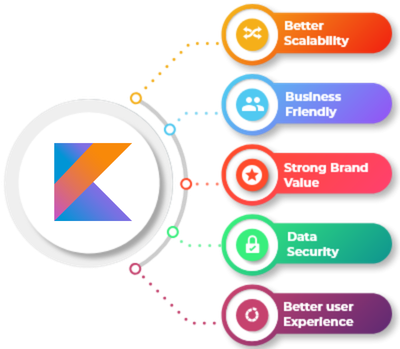
What Can Be Shared With Kotlin Multiplatform?
A typical split. We agree the exact boundaries during architecture design.
How We Build Kotlin Multiplatform Apps
Six steps from idea to two live, supported apps.
Discovery & Scope
Goals, users, features and integrations defined.
Why it matters: The right first release.
You get: A feature scope and roadmap.
Architecture Design
Shared and platform boundaries planned.
Why it matters: Code sharing without compromise.
You get: An architecture plan.
UX & UI Design
User flows and screens for Android and iOS.
Why it matters: Each app feels native.
You get: Approved designs.
Shared Core & Apps
Shared Kotlin modules plus Android and iOS apps built in cycles.
Why it matters: Both platforms progress together.
You get: Working builds.
Testing
Shared-code tests plus device testing on both platforms.
Why it matters: Consistent, stable behaviour.
You get: A release candidate.
Release & Support
Google Play and App Store releases, then updates.
Why it matters: A smooth launch and a healthy app.
You get: Two live apps and an update plan.
Kotlin Multiplatform vs Other Options
We recommend the approach that fits your app, team and roadmap.
Two native apps
Hybrid apps
- Single codebase and UI
- Fast to reach both stores
- Some platform trade-offs
- See hybrid apps
Kotlin Multiplatform
- Shared logic, native feel
- Consistent rules on both platforms
- Gradual adoption possible
- Strong fit for existing Kotlin apps
The KMP Technology We Use
Modern Kotlin tooling across shared and platform code.
Shared Kotlin
The common core.
Platforms
Native apps on top.
Integration & release
Connecting and shipping.
Kotlin Multiplatform Apps by Industry
Apps that need identical rules on Android and iOS.

Retail & Fashion
Shopping and loyalty apps with the same pricing everywhere.

Healthcare & Pharmacy
Appointment and ordering apps with shared validation.
Distribution
Sales-rep ordering with offline data on any device.
Manufacturing
Inspection and maintenance apps for mixed device fleets.
Education
Student and parent apps on both platforms.

Hospitality
Booking and guest apps with consistent rules.
Projects With Customer-Facing Apps
Business platforms where apps connect customers to the back office.
Dawatech
- Challenge
- Branches handled pricing, refunds and cashier sessions differently across three countries.
- Solution
- One bilingual Odoo 16 platform with POS, B2B ordering and a consumer app.
- Scope & technology
- Consumer appOdoo 16EN / AR
- Outcome
- Live in three countries on one platform.
Koskii
- Challenge
- Separate systems caused interoperability problems and limited customization.
- Solution
- Odoo recommended as one platform for accounting, sales, purchasing and POS.
- Scope & technology
- RetailPOSOdoo
- Outcome
- One platform in place of separate software.
Why Choose MP Technolabs for Kotlin Multiplatform?
Mobile developers who know both platforms and the business systems behind them.
How Much Does Kotlin Multiplatform Development Cost?
We estimate after understanding your scope. The main factors are:
| Factor | Why it matters |
|---|---|
| Features & screens | Size of the build |
| Shared vs native UI | Amount of platform-specific work |
| Existing code | New app or extending an Android app |
| Back end | New APIs or existing systems |
| Integrations | Odoo, ERP, payments, maps |
| Offline needs | Local storage and sync |
| Support | Updates after launch |
How Long Does It Take?
The timeline depends on scope. The main drivers are:
- Number of features and screens
- How much UI is shared
- Existing Android code to reuse
- Back-end and integration work
- Testing and store review on two platforms
We often launch a focused first version and add features in later releases.
What Our Odoo Clients Say
Real words from real clients.
I’ve tried many partners, but I feel trust and experience with only the MP Technolabs team.
I appreciate working with the team — they delivered the project successfully.
I’ve never seen responsiveness like the MP Technolabs team provides — 24/7 support, they’re always there.
Kotlin Multiplatform FAQs
What businesses ask before choosing Kotlin Multiplatform.
What is Kotlin Multiplatform used for?
It is used to share code such as business logic, networking and data handling between Android and iOS apps, while keeping native platform code where it is needed.
Does Kotlin Multiplatform share the user interface too?
It can. You can keep fully native UI on each platform, or share UI with Compose Multiplatform where it fits. We decide per project and per screen.
Will a KMP app feel native on iPhone?
Yes, if the UI is built natively with SwiftUI or carefully with shared UI. Because only the chosen layers are shared, the iOS app can follow Apple’s design conventions.
How is KMP different from hybrid frameworks?
Hybrid frameworks usually share one codebase including the UI. KMP shares Kotlin code selectively and keeps native platform code, which gives more control over the platform experience.
Can we add iOS to our existing Android app with KMP?
Often yes. Existing Kotlin business logic can be moved into shared modules step by step, and the iOS app built on top. We assess the codebase first.
Do we have to share everything from day one?
No. KMP can be adopted gradually, starting with one module such as networking or data, and extended over time.
Can a KMP app integrate with Odoo?
Yes. We build a shared API client that connects to Odoo, so both Android and iOS apps read and update the same data.
Can the app work offline?
Yes. Shared local storage and sync logic can keep key data available offline and synchronise when a connection returns.
Do you publish to Google Play and the App Store?
Yes. We prepare both releases and work with you through store review. Apps are published under your developer accounts.
How do you test KMP apps?
Shared code is covered by one set of tests, and each app is tested on real Android and iOS devices before release.
Do you provide maintenance after launch?
Yes. We keep Kotlin, libraries and both platforms up to date and add new features.
Will you sign an NDA?
Yes. We keep project information confidential and can sign an NDA before discussing your app in detail.
How is the app’s source code licensed?
The code we develop is licensed to you for use in your business. Licence terms are set out in the contract before development starts.
How long does Kotlin Multiplatform development take?
It depends on features, shared vs native UI, existing code and integrations. You receive a timeline after the discovery phase.
How much does Kotlin Multiplatform development cost?
It depends on features, UI approach, existing code, back end, integrations, offline needs and support. Request an app estimate.
Ready to Share Code Between Android and iOS?
Tell us about your app idea or existing Android app. We’ll show you what can be shared and plan both apps.